Material and Finish Durability: Brass, Stainless Steel, and Corrosion Resistance
When choosing the right metal and finish for plumbing fixtures, hardware, or architectural fittings, it’s not just about how they look—it’s also about how the metals and water interact. Brass and stainless steel are the two most common materials for visible fixtures. Both resist rust better than plain carbon steel, but they behave very differently in use.
This is a short, practical guide for durability, common ways fixtures fail, finishes, and best practices for avoiding problems, along with a helpful graph and trusted sources.
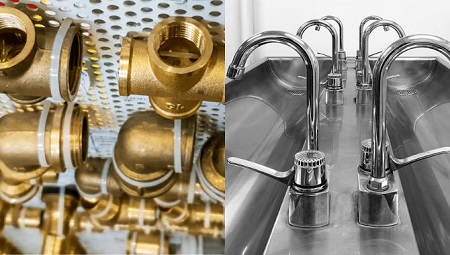
At a Glance: Brass vs Stainless Steel
Brass
Brass is primarily made from copper and zinc. It demonstrates high machinability, is attractive, and has antimicrobial properties, which is why it is often used for valves and tap fittings. However, some brass alloys can weaken in harsh water environments because of dezincification or stress corrosion cracking. Canada
Stainless Steel
Stainless steel is an iron-based alloy with at least 10.5% chromium and often includes nickel or molybdenum. Its corrosion resistance comes from a chromium oxide layer on the surface. Common types include 304 and 316, with 316 offering stronger resistance in harsher conditions. In aggressive environments, pitting corrosion can still occur. terrauniversal.com
Failure Modes and What They Look Like
Dezincification in Brass
When certain types of water, such as stagnant water or water with high acidity, alkalinity, chlorides, or sulfates, contact susceptible brass, zinc can dissolve out of the alloy. What remains is a weak, porous copper-rich structure. It may look reddish, crumbly, and can reduce flow because of internal obstruction. This risk can be reduced with DZR brass, better water chemistry, and protective linings or coatings. Canada
Pitting and Crevice Corrosion in Stainless
Stainless steel can develop small pits or crevice corrosion even when much of the surface still appears intact. This often happens when chlorides, deposits, or oxygen-poor conditions damage the passive layer. Prevention usually means selecting higher-alloy grades like 316, 904L, or 254 SMO for severe conditions and ensuring proper passivation after fabrication. Nickel Institute
General Corrosion and Tarnish
Brass may tarnish through surface oxidation and can develop green or black patina over time. Stainless steel does not usually corrode uniformly in the same way, but it can still show discoloration from heat tint, contamination, or neglected buildup on the surface.
Finishes and Their Role in Durability
Electroplated Chrome or Nickel on Brass
If plating remains intact and free of porosity, it gives the surface a clean appearance and adds protection. However, plating can also hide internal brass deterioration. A plated brass part may look fine externally while weakening underneath, so finish quality and inspection matter.
PVD Coatings on Stainless Steel
PVD coatings are thin, durable, and color-stable. They add hardness and improve appearance, although they can still be scratched. Unlike plating, they do not act as a thick sealing layer but are valued for long-lasting finish retention.
Mechanical Finishes
Polished and brushed finishes affect how dirt, mineral deposits, and scratches appear over time. Brushed finishes often hide everyday marks better, while polished surfaces are usually easier to clean and shed residue more effectively.
Passivation for Stainless
Passivation removes free iron and strengthens the protective oxide film on stainless steel. ASTM A967 is commonly used as the industry reference for this process and its testing requirements. Properly passivated stainless steel generally performs better in corrosive and sanitary conditions. ASTM International
Design and Selection Guidelines
- Match alloy to environment. DZR brass and 316 stainless steel are both strong options for indoor plumbing with treated drinking water. In marine, chemical, or high-chloride settings, use stainless steel with corrosion resistance equal to or better than 316, or move to duplex and super-austenitic grades where needed. plumbing-components.com
- Prefer DZR brass for potable water. If brass is selected for its machining or cost advantages, choose certified material that meets local lead and dezincification requirements. plumbing-components.com
- Use passivation post-fabrication. For stainless steel components in demanding environments, specify proper passivation and require treatment aligned with ASTM A967 and AMS 2700. ASTM International
- Avoid hidden failure traps. Plated brass can look excellent on the outside while losing zinc inside. For pressure-containing parts, solid corrosion-resistant alloys are often a safer long-term choice.
- Consider coatings and linings. Internal fluoropolymer or epoxy linings can help protect brass from direct contact with corrosive fluids, reducing the risk of dezincification when applied correctly.
Practical takeaway
Choosing the right material is rarely about looks alone. The most reliable fixture is the one whose alloy, finish, and maintenance routine are all suited to the actual water and cleaning conditions it will face.
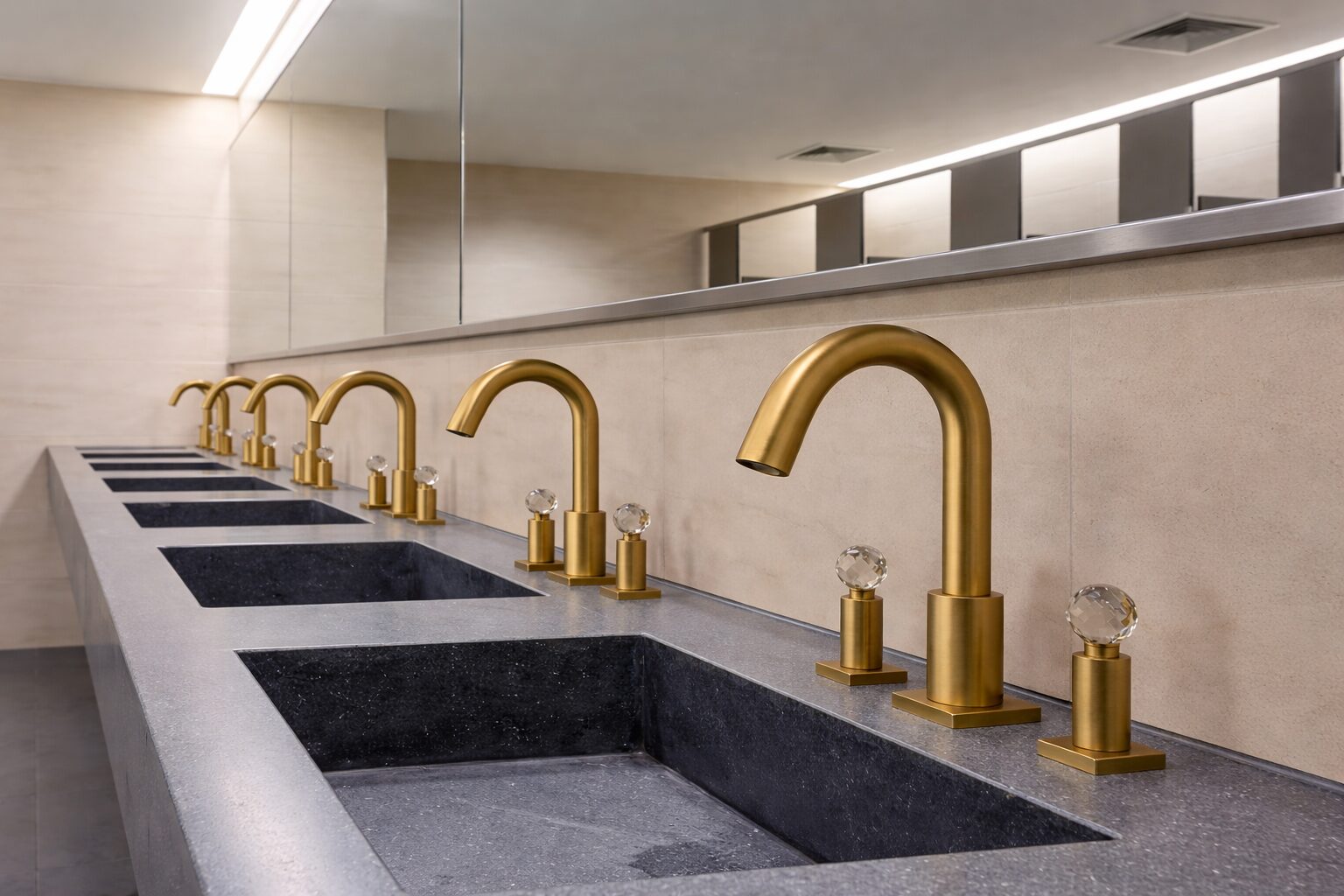
Cost vs Lifetime Trade-Off
Brass is usually cheaper and easier to machine, while stainless steel tends to cost more but often lasts longer and needs less maintenance in more aggressive environments. When comparing value, it helps to look beyond the purchase price and think about replacement costs, cleaning effort, repair risks, and the chance of hidden failures later on.
How to Choose the Better Material for Daily Use
In normal residential use, both brass and stainless steel can perform well when the material grade and finish are chosen carefully. The better option often depends on where the fixture will be installed, how much moisture it sees, how often it is cleaned, and what the local water quality is like.
Brass remains a common and practical choice for faucet bodies, valves, and fittings because it is widely used and easy to manufacture. Stainless steel is often preferred for exposed fixtures and decorative surfaces where buyers want a modern look, easier upkeep, and stronger resistance to visible corrosion.
Brass for common indoor plumbing
Brass is dependable for many standard indoor applications and remains one of the most familiar materials in fixture construction.
Stainless for exposed surfaces
Stainless steel often suits sinks and visible fixtures where moisture, routine cleaning, and appearance retention all matter.
Brushed finishes for busy spaces
Brushed finishes can hide fingerprints and daily marks better, making them easier to live with in active bathrooms and kitchens.
Higher grades for harsher conditions
Where chlorides, neglected maintenance, or tough water conditions are expected, better alloys can reduce early wear.
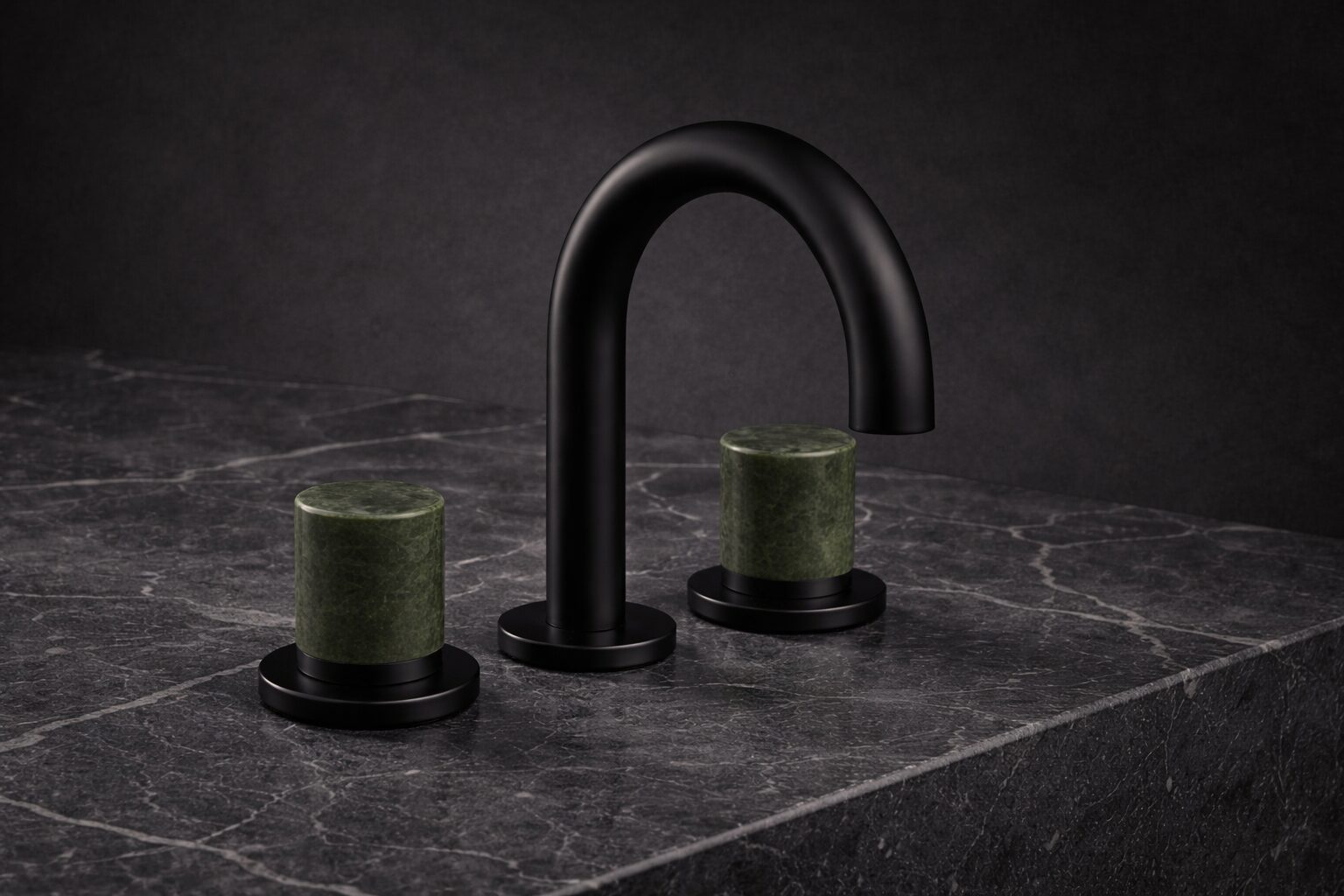
Simple Maintenance Tips That Help Fixtures Last Longer
Wipe after use
Drying fixtures after heavy use can reduce water spots, mineral deposits, and surface residue that build up over time.
Avoid abrasive cleaners
Scouring pads and harsh powders can damage plated, brushed, and coated finishes, making surfaces age faster.
Use mild cleaning methods
Soap and water are usually enough for regular care. Strong chemicals are more likely to dull or damage the finish.
Check small parts regularly
Inspect aerators, joints, and exposed fittings so early signs of buildup, staining, or leakage can be addressed quickly.
What Homeowners Should Look for Before Buying
Material Grade
Look for fixtures that clearly identify the alloy or stainless grade instead of using only broad terms like “metal construction.”
Finish Quality
A good finish improves both durability and appearance retention. It also affects how easy the fixture is to keep clean.
Water Conditions
Hard water and chlorides can shorten fixture life, so the right material choice should reflect the actual water environment.
Long-Term Value
A slightly better material or finish may cost more upfront but can reduce maintenance and replacement costs later on.
Quick Checklist
- Require passivation certificates for stainless steel where applicable, such as ASTM A967 or AMS 2700. ASTM International
- Specify the exact alloy grade, such as EN CW602N / DZR brass or 316/316L stainless, rather than only saying “brass” or “stainless.” plumbing-components.com
- Require plating or finish thickness details and porosity testing if plated parts are being used.
- For potable water use, confirm compliance with applicable drinking-water and dezincification resistance standards. Canada
Frequently Asked Questions
Is brass or stainless steel better for bathroom faucets?
Both can work well. Brass is widely used in faucet bodies and fittings, while stainless steel is often chosen for visible surfaces where a cleaner modern look and strong corrosion resistance are preferred.
Does stainless steel rust in a bathroom?
Quality stainless steel resists rust very well, but deposits, chlorides, or poor maintenance can still cause staining or localized corrosion over time.
Do finishes affect durability?
Yes. The finish changes how easily the surface scratches, how much residue it shows, and how well it keeps its original appearance after daily use.
Is plated brass still a good option?
It can be, especially in standard indoor environments, but the quality of the plating matters. A good exterior finish does not automatically guarantee the material underneath is protected forever.
Final Takeaway
Brass and stainless steel are both trusted materials for plumbing fixtures, but they do not behave the same way over time. Brass remains practical, proven, and widely used, especially in faucet bodies and fittings. Stainless steel often stands out for easier care, a modern appearance, and stronger resistance to visible corrosion in challenging environments.
The best long-term result comes from choosing the right alloy, matching it with a finish that fits the space, and maintaining it with simple routine care. When durability matters, build quality and material grade are just as important as surface style.