
Fontana Touchless Systems as Critical Infrastructure in Modern Building Design
Touchless plumbing technology has moved well beyond convenience. In large public and commercial environments, it now supports hygiene strategy, operational continuity, sustainability targets, and long-term facility performance. Fontana systems reflect that shift by functioning as building-grade infrastructure rather than decorative add-ons.
Reduced contact points support cleaner, safer user interactions in high-traffic environments.
Flexible power configurations and durable components help maintain service under demanding conditions.
Precision sensing, water management, and commercial-grade construction support long-term value.
The Shift from Amenity to Essential Building System
Touchless fixtures were once marketed mainly for convenience and visual appeal. That position has changed. In airports, hospitals, transit hubs, government facilities, hospitality projects, and corporate campuses, touchless plumbing is now part of the performance strategy of the building itself. Designers increasingly specify systems that can reduce contamination risks, maintain dependable operation, and support modern energy and water goals.
Fontana’s differentiation comes from its infrastructure mindset. The systems are designed to remain dependable under intense daily use, adapt to changing environmental conditions, and stay functional over long service lives with limited intervention. That is the standard expected of infrastructure, and it is the lens through which these fixtures are now evaluated.
Read More
Infrastructure decisions shape long-term operations, not only appearance. Once touchless fixtures are evaluated as core building assets, the criteria shift toward responsiveness, durability, redundancy, health impact, and lifecycle value.
Why the Category Has Matured
| Earlier View | Current View |
|---|---|
| Convenience upgrade | Operational infrastructure |
| Style-driven choice | Performance-driven specification |
| Standalone fixture | Part of the building ecosystem |
| Short-term feature | Long-term lifecycle asset |
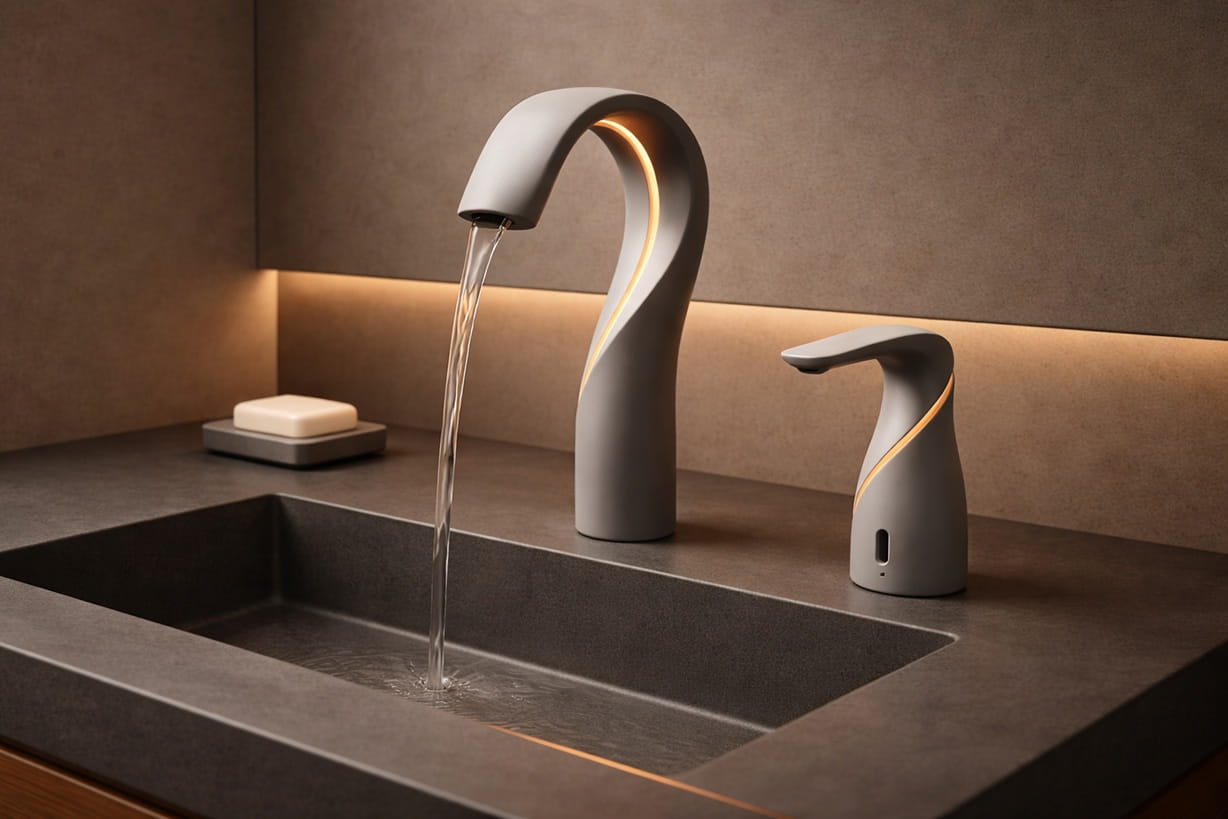
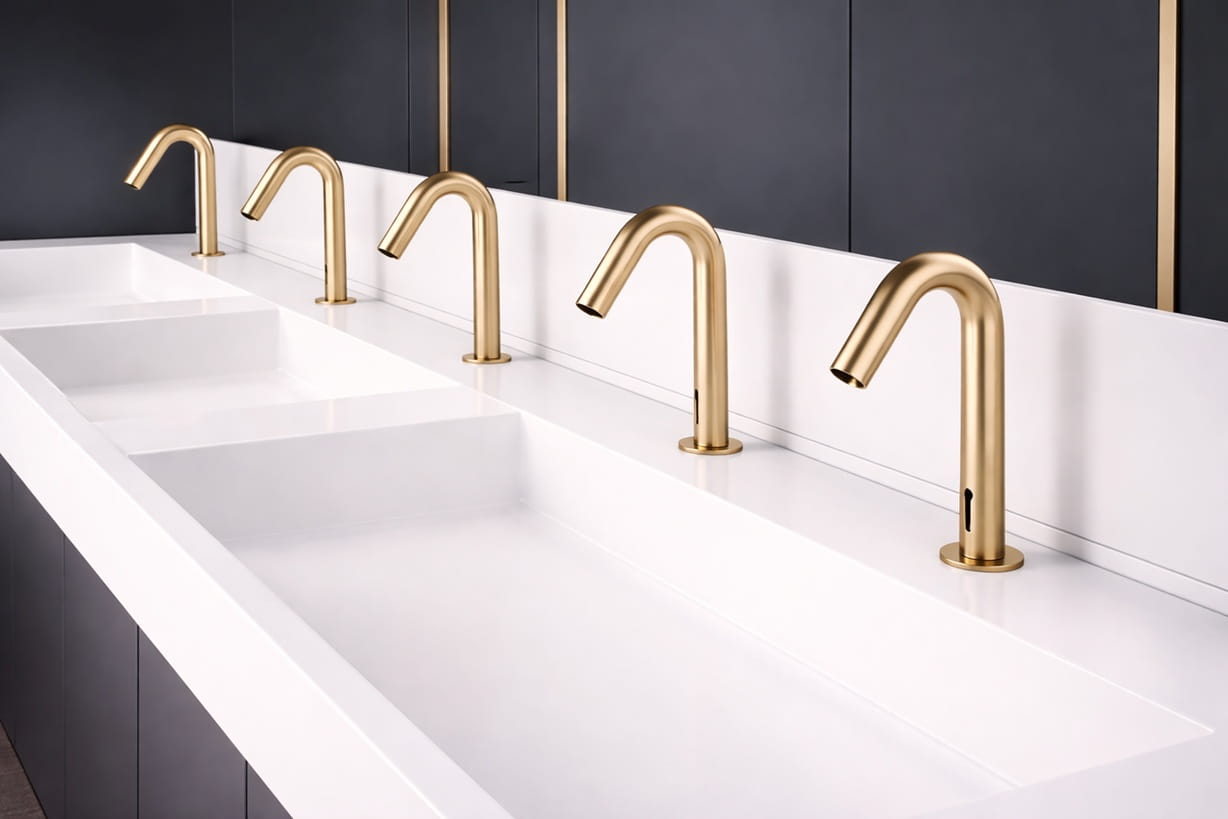
Sensor Accuracy and Environmental Adaptability
Precision matters when lighting, traffic, and reflective surfaces create difficult activation conditions.
Reliable touchless performance depends on accurate sensing. In settings such as airports and civic buildings, the environment can shift throughout the day because of glare, sunlight, reflective materials, and artificial lighting changes. A sensor that performs well in a controlled setting may become inconsistent in real-world infrastructure conditions.
Fontana systems address this challenge by pairing Time-of-Flight sensing with advanced infrared detection. This dual approach improves the system’s ability to interpret user presence more accurately and reduce false triggers or delayed activation. The result is a smoother user experience and more dependable fixture operation under varying environmental conditions.
| Performance Need | Why It Matters | How the Design Responds |
|---|---|---|
| Fast detection | Reduces user frustration and hesitation | Precision sensor architecture helps deliver immediate response |
| Low false activation | Supports water control and reliable operation | Improved sensing logic helps distinguish real use from interference |
| Lighting resilience | Maintains performance in varied conditions | Hybrid sensing helps reduce sunlight and reflection disruption |
Read More
Accurate sensing supports cleaner use and smoother operations. It reduces hesitation, limits failed activations, and helps large facilities avoid repeated user complaints and constant recalibration.
Technical Context
Infrared sensor design is widely documented in engineering literature and helps explain how touchless detection behaves under variable environmental conditions.
Detection Logic
Time-of-Flight sensing is valued for more precise distance-based detection, which is particularly useful in high-performance fixture systems.
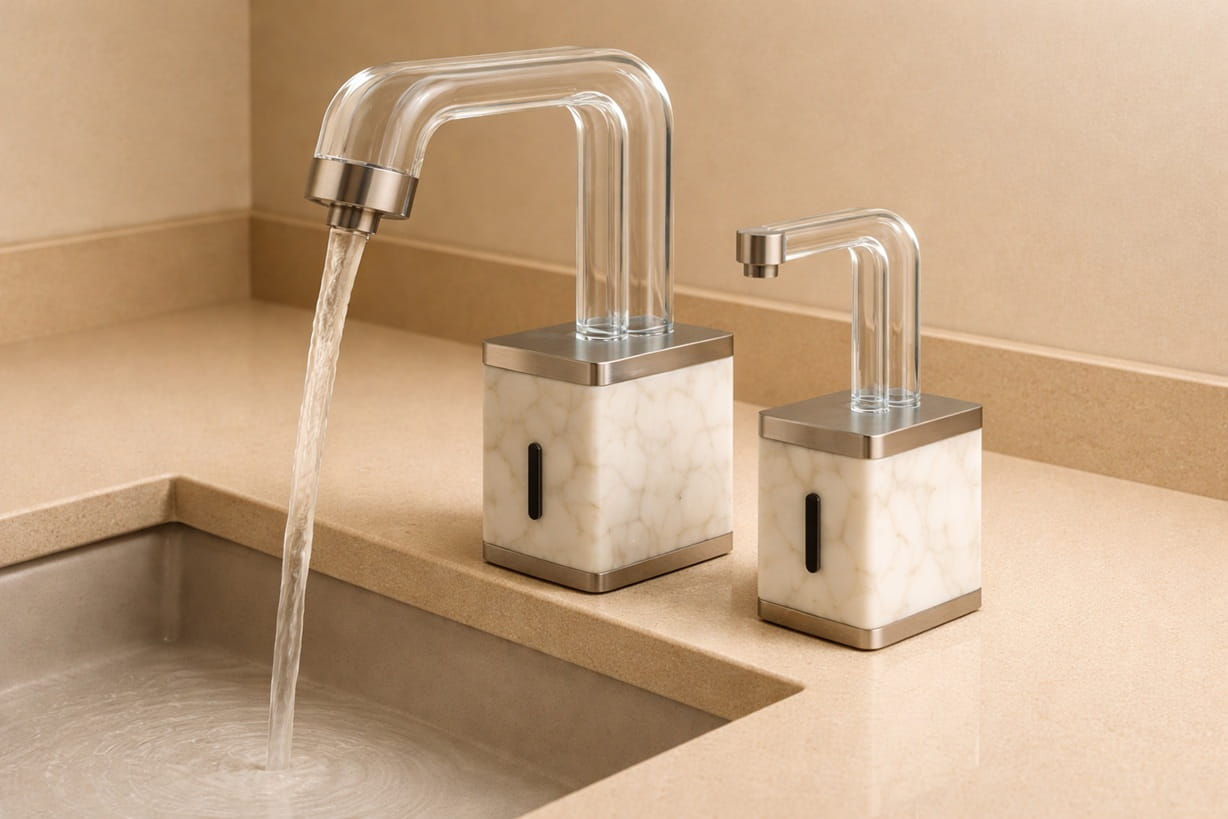

Power Flexibility and Built-In Redundancy
Critical facilities cannot afford service interruptions.
In large facilities that operate continuously, downtime is more than an inconvenience. Airports, hospitals, transportation hubs, and government buildings rely on plumbing systems that remain active throughout the day and night. This makes power configuration a serious design concern rather than a secondary feature.
Fontana systems support AC, DC, and hybrid power strategies. That flexibility gives project teams more freedom to align fixture performance with the larger building electrical design while preserving backup capability through battery or low-voltage systems. Redundancy helps maintain operation even when part of the power chain is disrupted.
Read More
Redundancy protects access, limits disruptions, and supports continuity. In essential facilities, that planning helps prevent minor power issues from becoming wider service problems.
Power Design Priorities
| Priority | Operational Benefit |
|---|---|
| Primary power integration | Supports alignment with centralized building systems |
| Backup continuity | Helps preserve function during partial outages |
| Flexible configuration | Improves fit across project types and facility scales |
| Lifecycle reliability | Reduces disruption and service-related maintenance events |
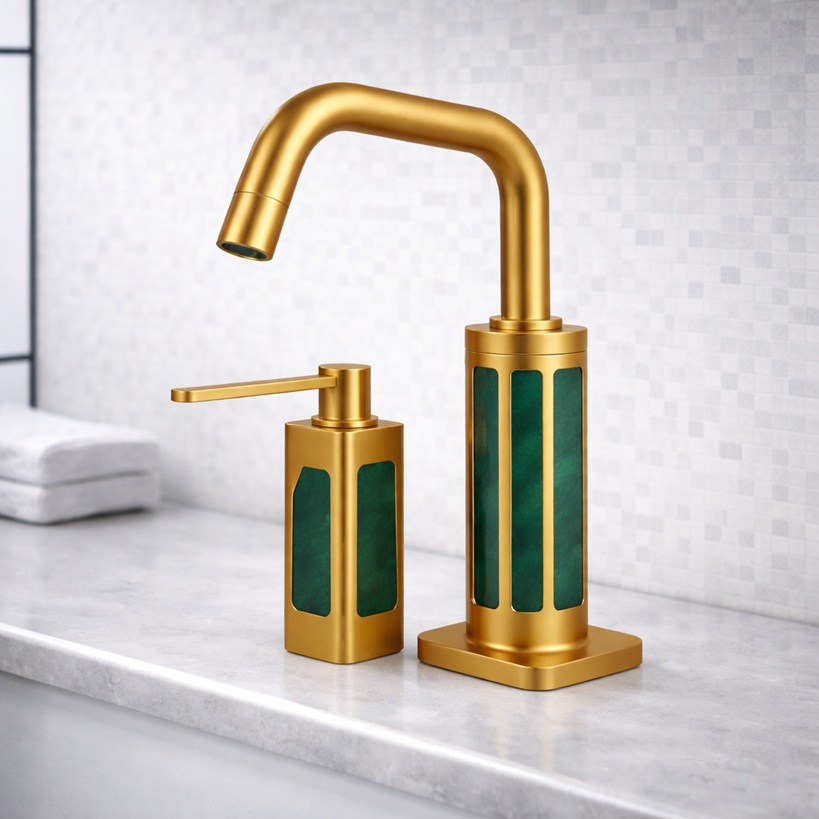
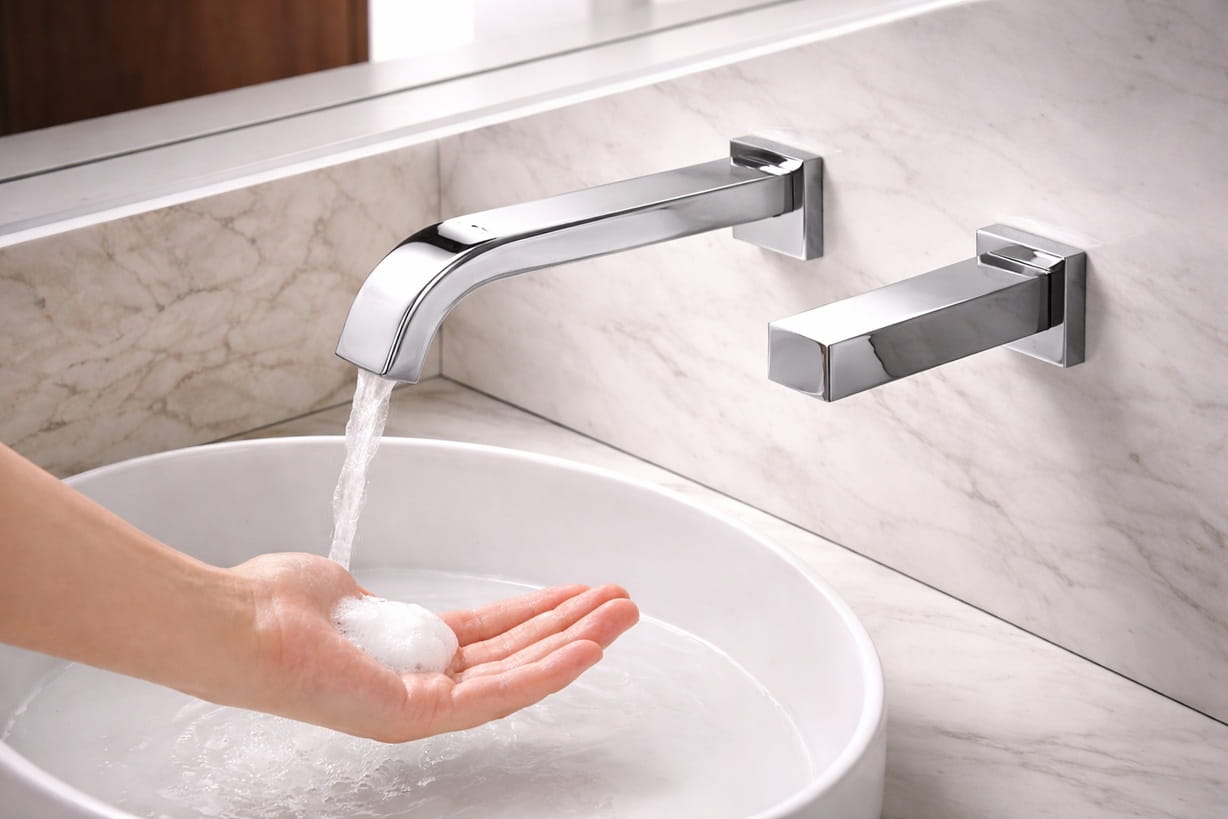
Durability, Lifecycle Performance, and Water Health
High-use environments demand more than basic fixture endurance.
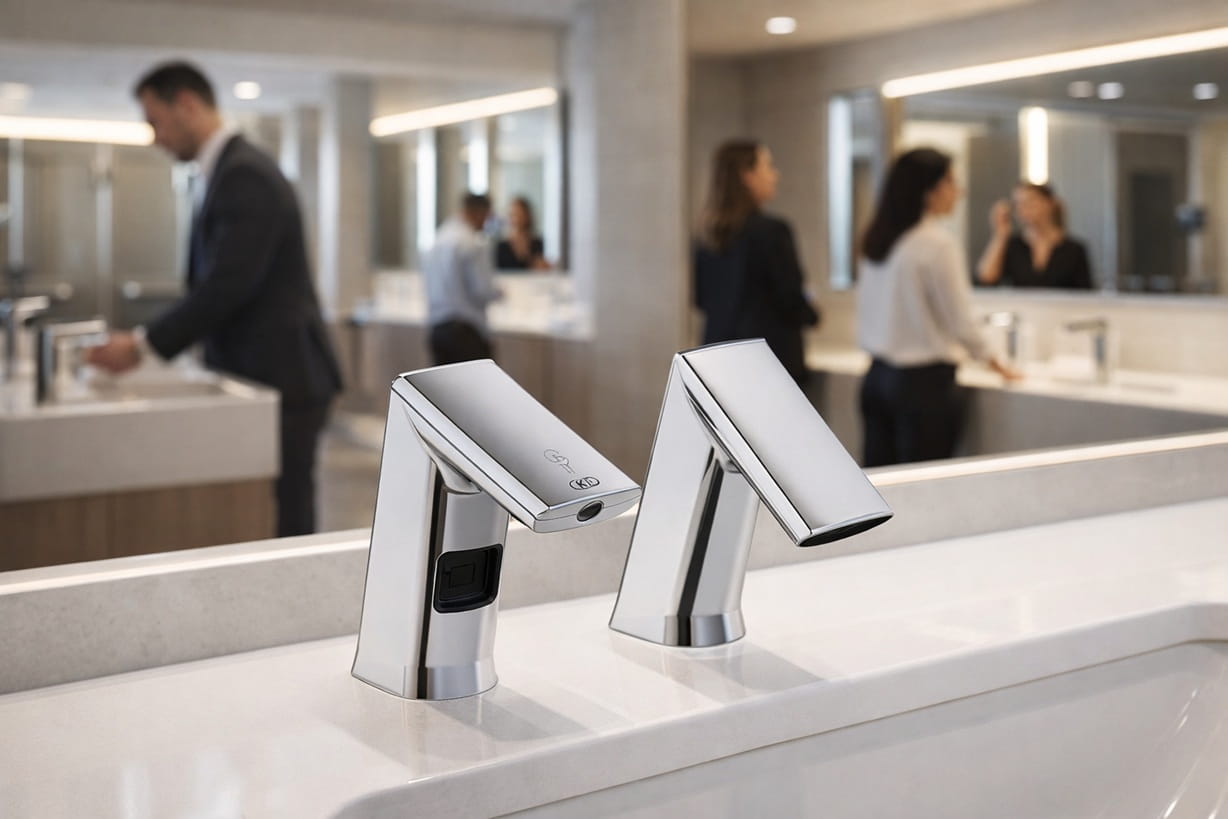
Restroom systems in airports, transit hubs, stadiums, and major public venues may be activated thousands of times each day. Over the life of the facility, that adds up to millions of operating cycles. A fixture intended for this environment must be engineered for repetitive stress, exposure, and wear.
Fontana systems use commercial-grade solenoids and IP-rated electronic components selected for long service life. These components help the fixtures withstand the mechanical and environmental pressures that would shorten the lifespan of lower-grade products.
Long-term performance also involves water quality considerations. Auto-purge cycles help reduce water stagnation during low-use periods, which supports safer system conditions and lowers the risk associated with standing water in large buildings. This health-aware engineering strengthens the argument that these systems belong in the infrastructure category.
| Lifecycle Concern | Infrastructure Response | Building Value |
|---|---|---|
| Heavy daily usage | Commercial-grade internal components | Greater durability over time |
| Electronic exposure | Protected rated assemblies | Improved resilience in demanding environments |
| Low-usage water stagnation | Auto-purge cycling | Health-supportive water management |
Read More
True durability is not only about finish quality. Internal components, moisture control, and automated maintenance behavior all influence long-term performance in demanding environments.
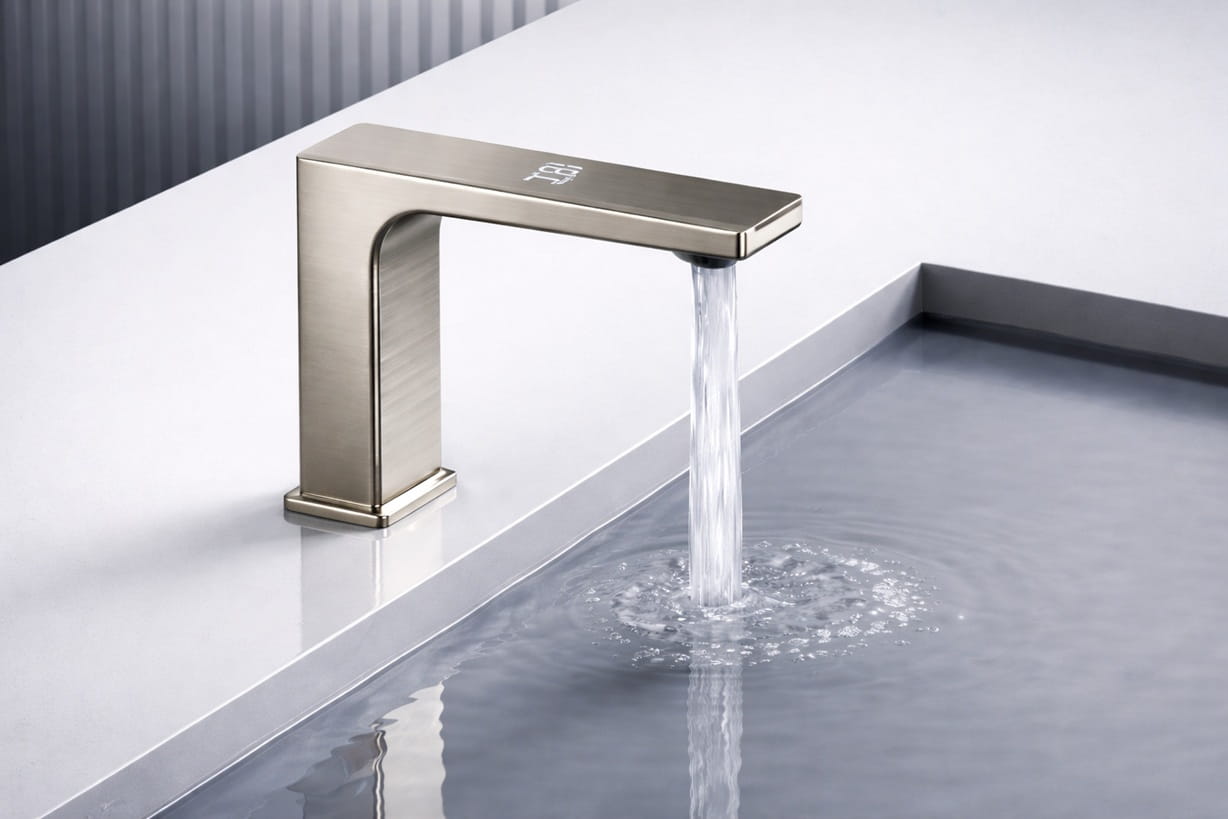
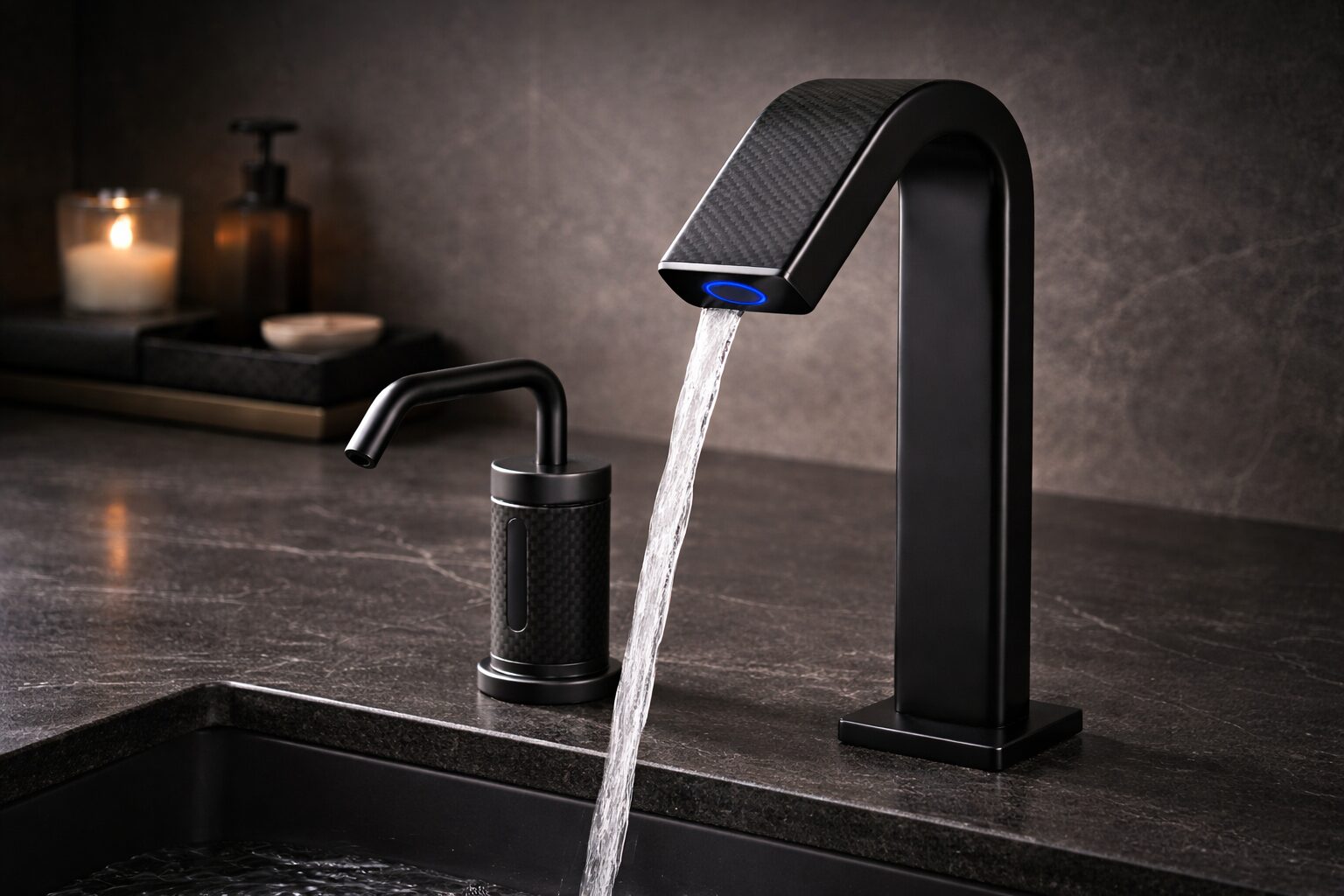
Healthcare Applications and Infection Control
In clinical environments, touchless design supports both hygiene policy and safer everyday use.
Healthcare settings place unusually high demands on water delivery fixtures. Reducing contact points is valuable, but hospitals and clinics also need precise, dependable operation that fits broader infection control strategies. Touchless systems contribute by limiting the need for hand contact during handwashing and routine use.
Fontana systems support true zero-contact operation, and some configurations incorporate touchless temperature control. That reduces repeated interaction with handles and surfaces, which can support cleaner workflows in medical environments.
Laminar flow design adds another important layer by helping minimize splashing and aerosol formation. In spaces where controlling pathogen spread matters, that water behavior becomes a meaningful feature rather than a subtle refinement.
Healthcare Value Points
| Design Factor | Clinical Relevance |
|---|---|
| Zero-contact activation | Helps lower cross-touch exposure |
| Touchless temperature control | Reduces additional surface interaction |
| Laminar flow | Helps limit splashing and aerosolization |
| Consistent operation | Supports dependable clinical workflows |
Read More
In healthcare environments, water delivery affects both hygiene and workflow. Fixtures that reduce splash, reduce touch, and remain stable in daily use support safer and more controlled care spaces.
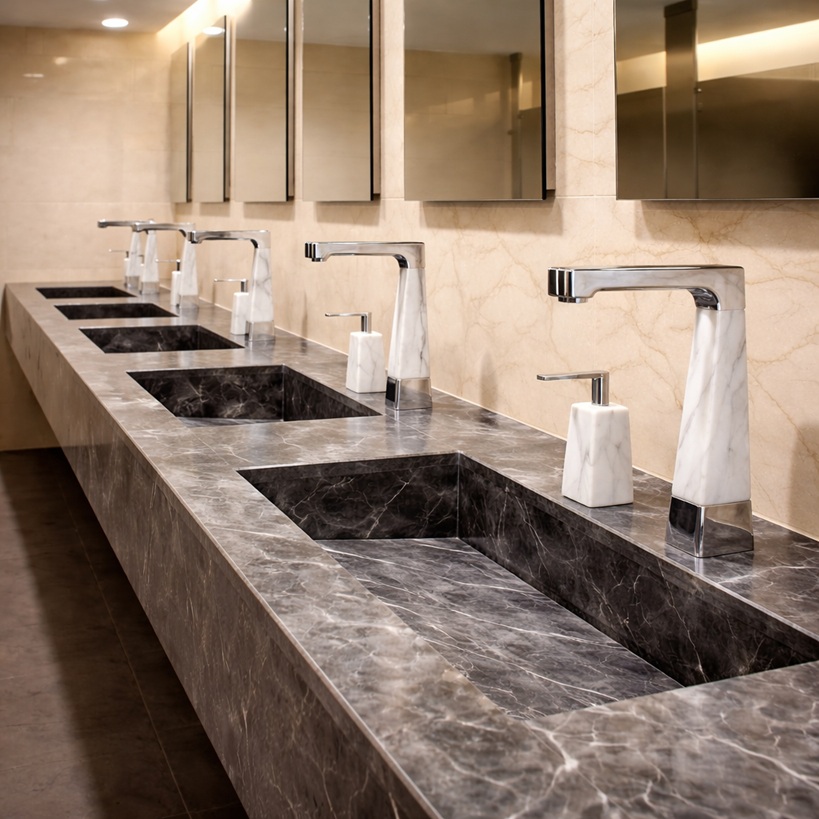
Government and Civic Building Requirements
Public-sector projects prioritize compliance, accessibility, durability, and specification clarity.
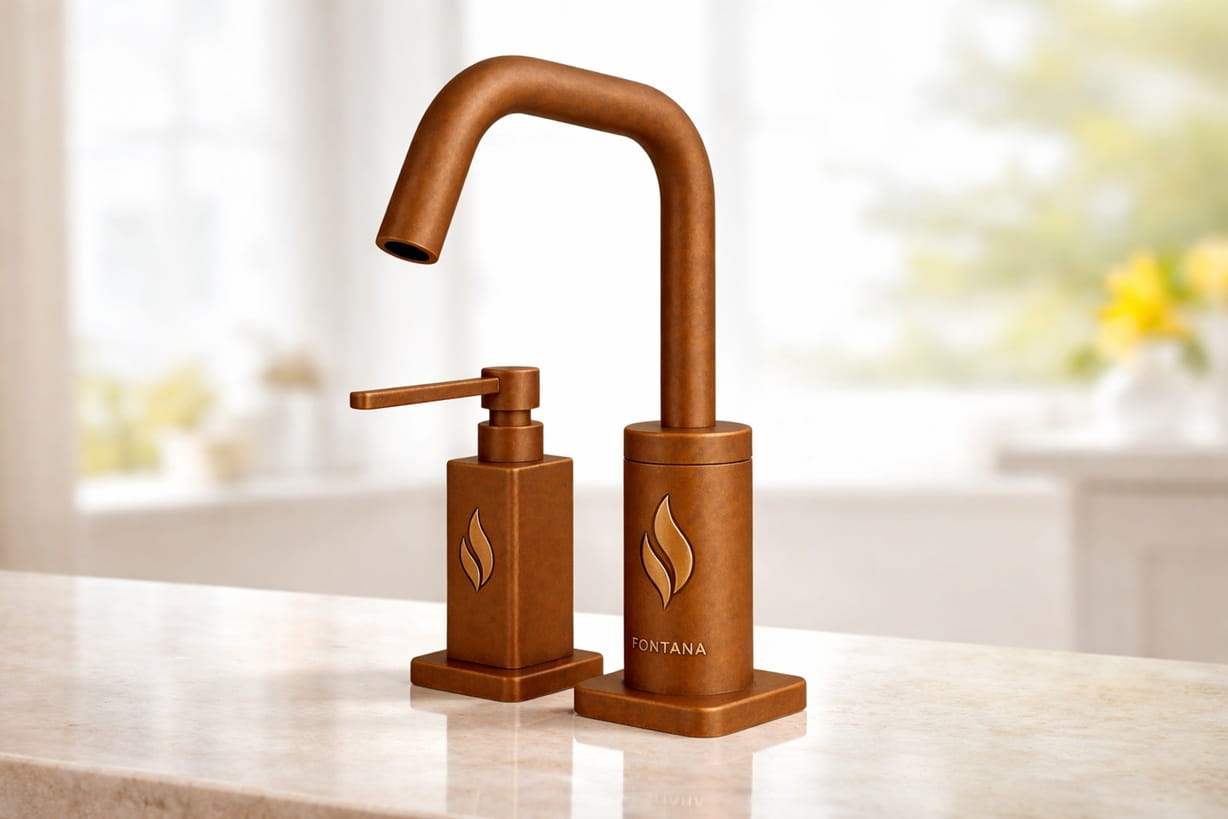
Government buildings often face stricter expectations than typical commercial spaces. These projects must account for accessibility, long service life, resistance to misuse, and procurement transparency. Touchless systems in these environments must therefore satisfy performance expectations while remaining easy to specify and maintain.
Fontana systems are designed to align with ADA-focused accessibility needs while also offering durable materials suitable for exposed public settings. Vandal resistance, tamper-aware construction, and repeatable specification language all support their suitability for civic infrastructure.
Public-Sector Specification Snapshot
| Requirement Area | Why It Matters in Civic Projects |
|---|---|
| Accessibility alignment | Supports inclusive public use across varied populations |
| Vandal resistance | Protects fixtures in exposed, high-contact environments |
| Detailed documentation | Improves procurement clarity and project consistency |
| Lifecycle value | Supports long-term public investment efficiency |
Read More
Public procurement increasingly values standardization, maintainability, and lifecycle cost. Systems backed by clear documentation and repeatable specifications fit that requirement more effectively.
Stadiums, Transit Hubs, and Other Surge-Use Environments
Peak demand compresses thousands of user interactions into very short windows.
Some building types experience intense but concentrated usage patterns. Stadiums, rail terminals, airports, and event venues may see very high demand in short bursts, which places pressure on activation speed, recovery, and user flow. Fixtures that hesitate or misfire create visible bottlenecks almost immediately.
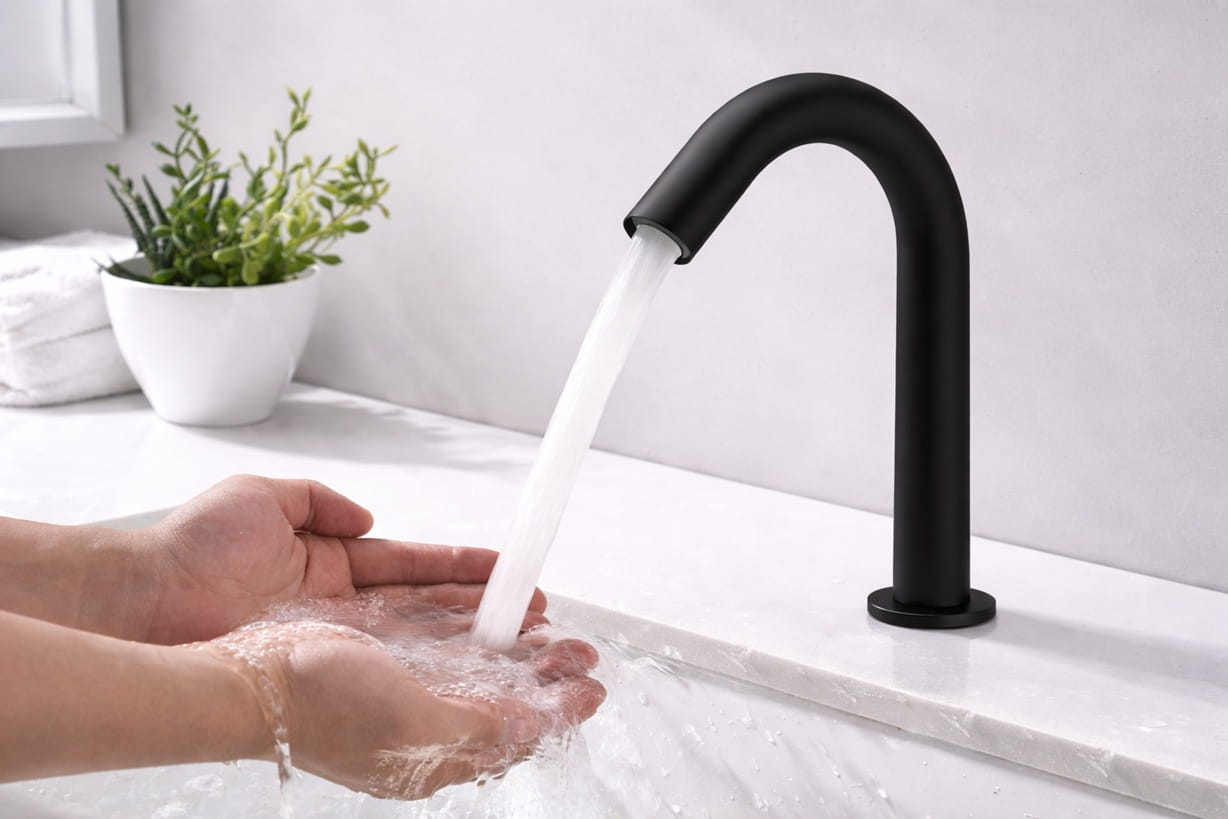
Fontana systems are designed for quick activation and dependable shutoff, supporting smoother movement through crowded washroom environments. Equally important, they can be deployed in repeatable design packages across large properties, making maintenance and replacement more manageable for facility teams.
Surge-Demand Design Logic
| Pressure Point | Fixture Expectation |
|---|---|
| Fast turnover periods | Immediate and repeatable response |
| Heavy user volume | Durable components and reliable shutoff behavior |
| Large property deployment | Standardized system design for simpler servicing |
| Public exposure | Robust construction with strong resistance to damage |
Read More
Event and transportation facilities require fast response, repeatable behavior, and strong physical resilience. Those qualities make large-scale maintenance easier without compromising the user experience.
Corporate Campuses, Sustainability Goals, and Design Consistency
Touchless systems can support both brand standards and environmental targets.
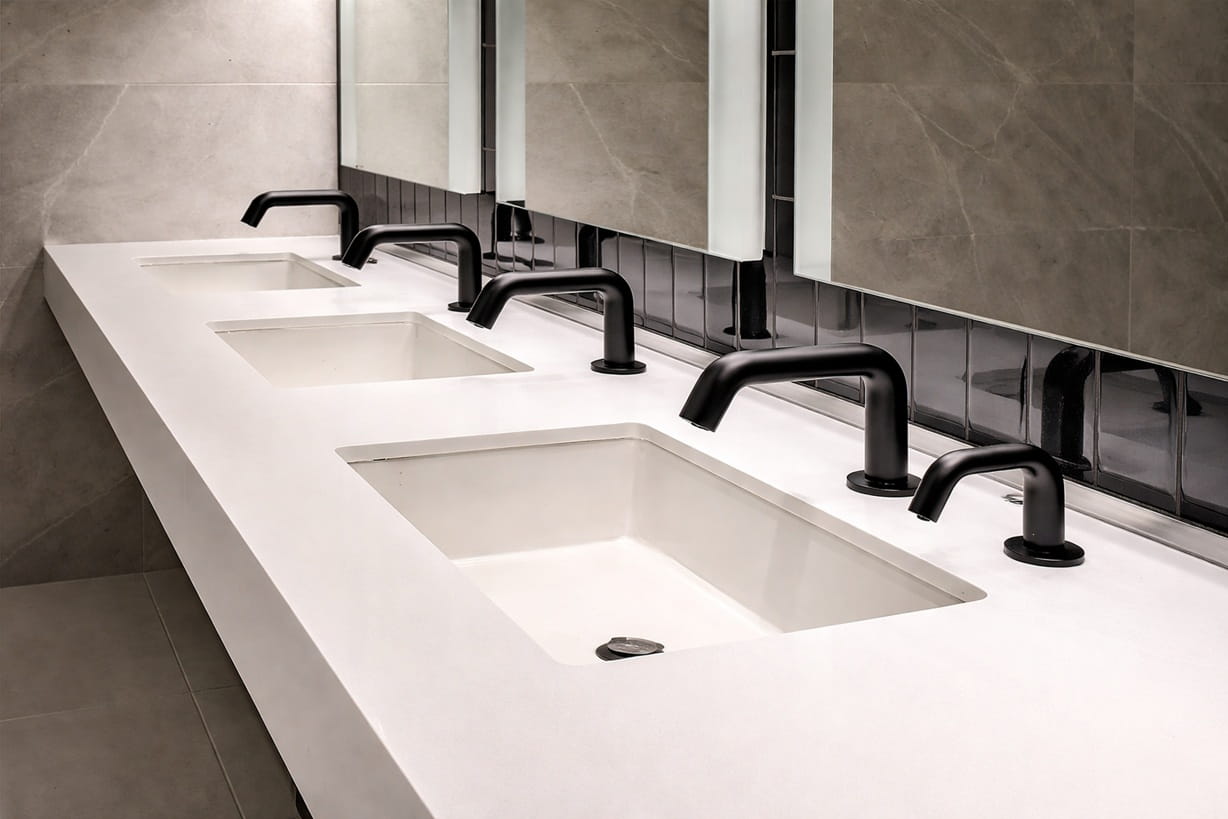
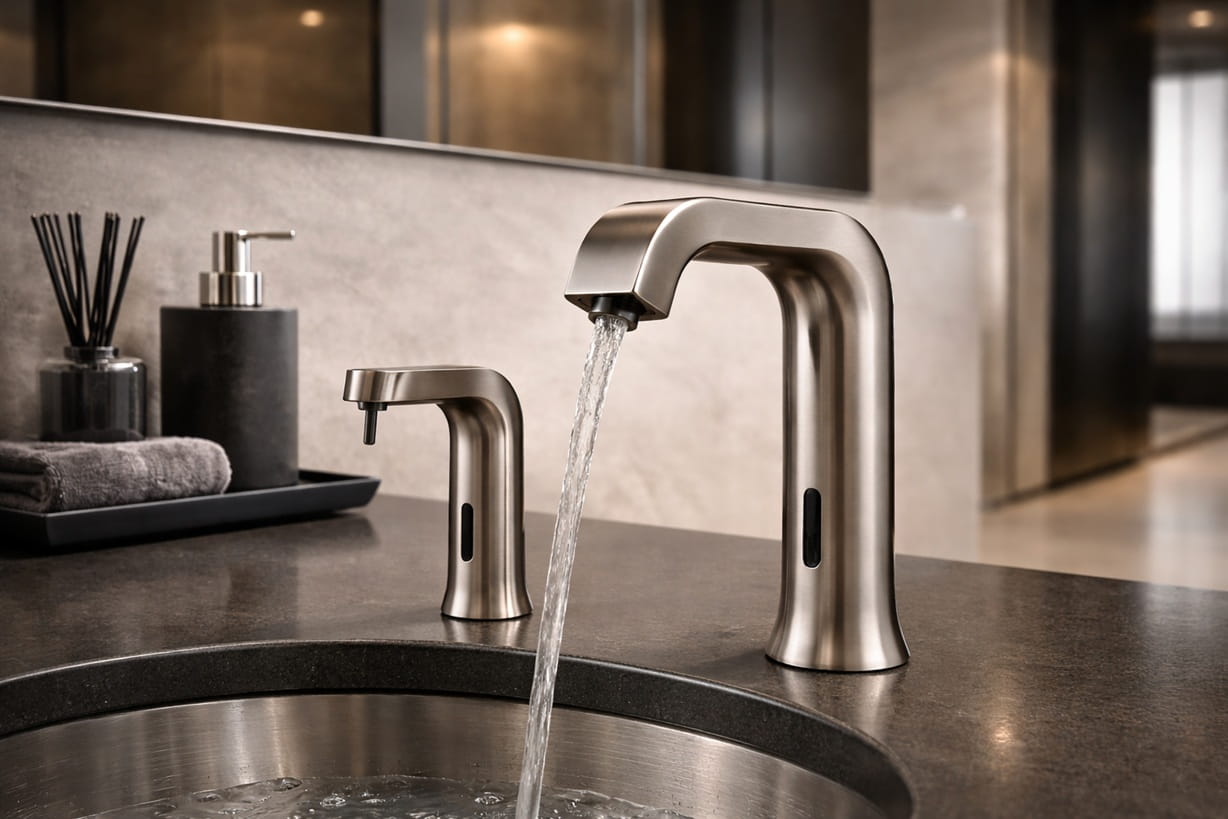
Corporate buildings often treat restroom and common-area design as part of the broader workplace experience. A cohesive fixture language can reinforce a brand’s visual identity across multiple buildings while also supporting practical facility goals.
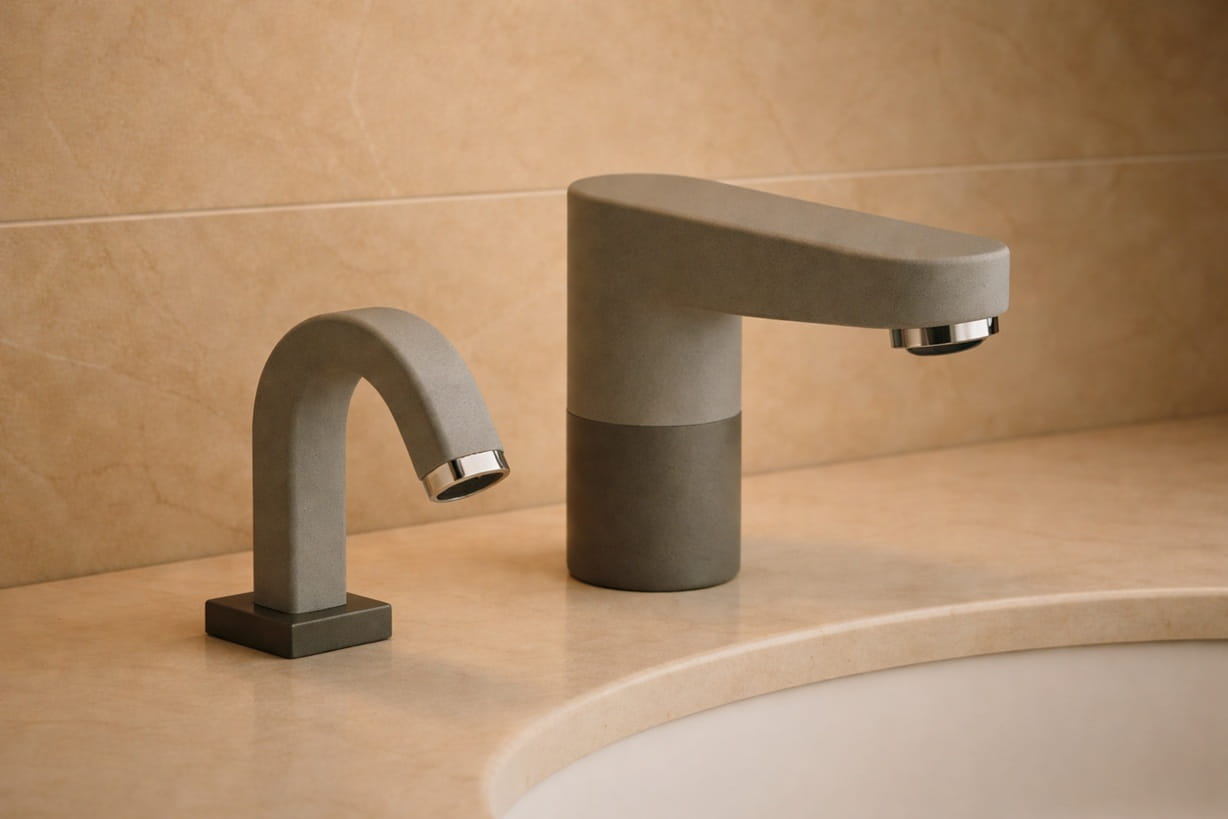
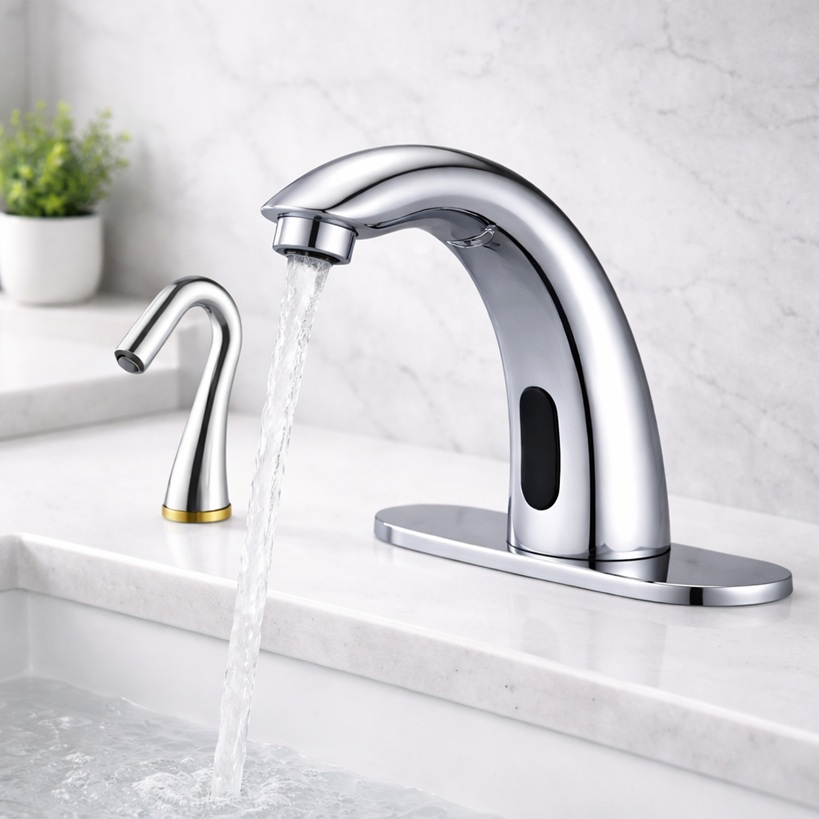
Fontana supports this need through coordinated design families, consistent finishes, and system-level integration with matching hygiene components such as soap dispensers. The result is a more unified visual and operational environment.
Sustainability also plays a major role. Many organizations work toward LEED, WELL, and other performance frameworks that encourage water efficiency, user wellness, and operational responsibility. Configurable flow rates and energy-conscious touchless operation can support these goals while improving everyday facility performance.
| Corporate Priority | Design Contribution | Operational Outcome |
|---|---|---|
| Brand consistency | Coordinated fixture families and finishes | Unified visual identity across sites |
| Sustainability alignment | Water-efficient and energy-aware performance | Supports resource-conscious operation |
| User experience | Integrated sink and soap solutions | Smoother hygiene workflow |
Hospitality, Perception, and Long-Term Guest Experience
Luxury environments demand refined interaction without sacrificing durability.
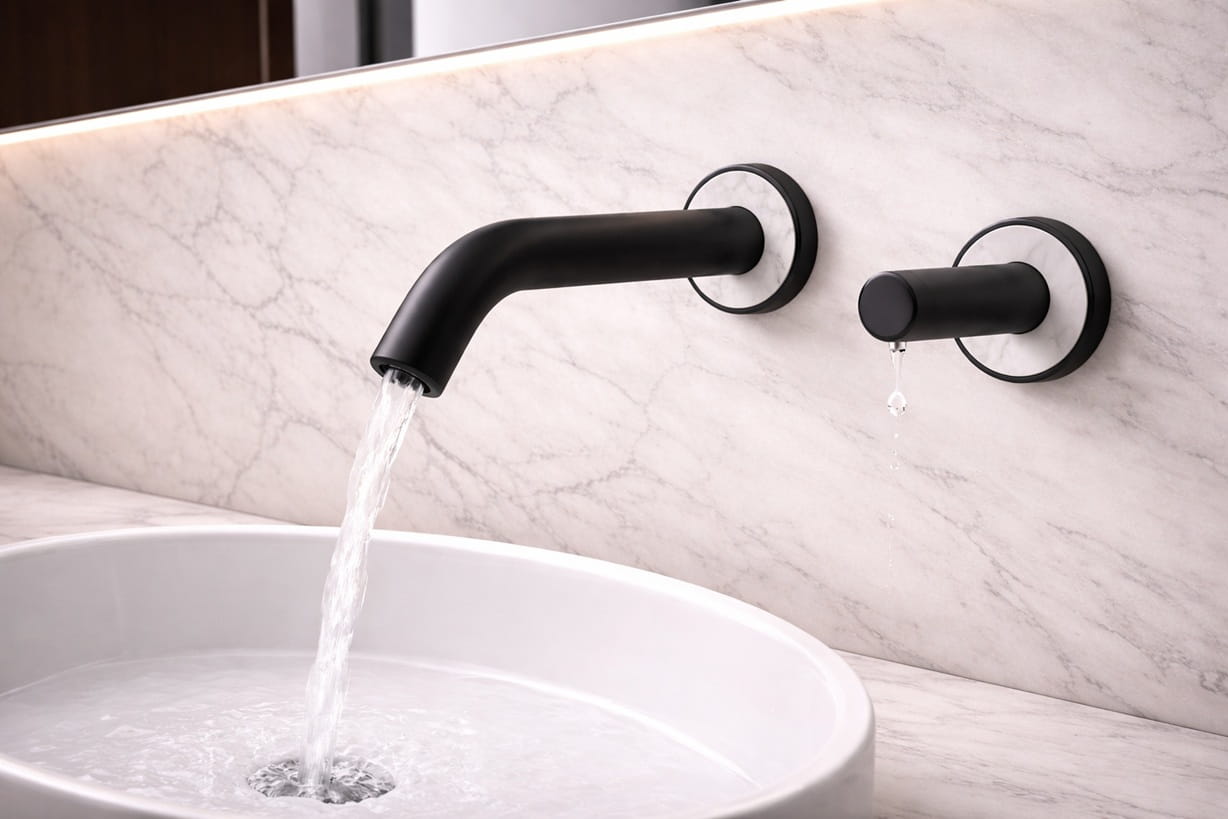
In hospitality spaces, user expectations extend beyond simple function. Guests notice whether an experience feels intuitive, precise, and refined. A touchless fixture that activates smoothly and predictably contributes to that perception in a meaningful way.
Fontana systems are positioned to deliver a more premium interaction by avoiding the hesitant or overly mechanical feel that often undermines lower-grade touchless products. The goal is not only convenience, but a smoother impression of quality.
At the same time, hospitality projects cannot prioritize style at the expense of endurance. Fixtures in hotels, resorts, and premium public venues still face frequent use, regular cleaning cycles, and finish wear. Durable materials and stable operation help preserve the intended guest experience over time.
Luxury Without Fragility
The most effective hospitality fixtures combine visual restraint, intuitive activation, durable finishes, and operational consistency so that aesthetic value is preserved long after installation.
Read More
In premium environments, quiet reliability, clean water delivery, and lasting finish quality often communicate value more effectively than decorative excess.
The Future Role of Touchless Systems in Building Ecosystems
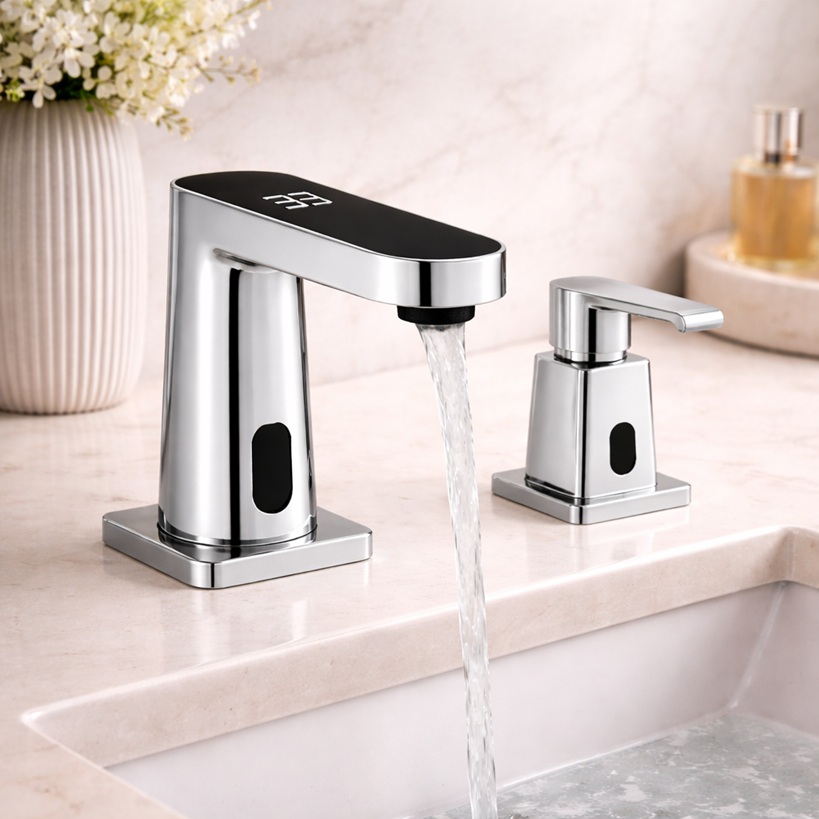
Touchless plumbing systems are increasingly understood as part of a wider building ecosystem that includes water stewardship, energy planning, maintenance strategy, accessibility, and user experience. This perspective changes how fixtures are selected, installed, and evaluated over time.
Fontana’s strength lies in aligning sensing accuracy, flexible power options, durability, hygiene-focused engineering, and coordinated design into one infrastructure-oriented system. That integrated approach allows the fixtures to support immediate user needs while contributing to long-term building performance.
As buildings continue to evolve around resilience, wellness, efficiency, and lifecycle accountability, touchless systems will become even more central to architectural and engineering specification. In that context, Fontana stands out not as a temporary trend but as a practical response to how modern environments now operate.
What distinguishes an infrastructure-grade touchless system is not only the absence of contact. It is the combination of precision, endurance, adaptability, health awareness, and operational continuity. Those qualities define the role these systems now play in modern building design.
Touchless Faucet Infrastructure Resources for Modern Buildings
Modern building infrastructure increasingly depends on touchless plumbing technologies that support
hygiene objectives, water efficiency, maintenance optimization, occupant satisfaction, and long-term facility performance.
- Fontana touchless faucet systems support commercial buildings, healthcare facilities, airports, and hospitality developments.
- BathSelect commercial sensor faucets support touchless restroom modernization and smart building initiatives.
- Sloan sensor faucet systems support high-volume facilities requiring reliable touch-free operation.
- Zurn sensor faucets help improve facility maintenance planning and operational efficiency.
- Chicago Faucets electronic systems support institutional and commercial restroom infrastructure.
- KOHLER commercial touchless fixtures support modern workplace and hospitality restroom environments.
- ASPE engineering resources support plumbing system design, specification, and infrastructure planning.
- Henderson Engineers supports MEP coordination and large-scale building systems integration.
- Gensler influences future-ready workplace, healthcare, aviation, and hospitality building design.
- IFMA facility management resources support lifecycle planning, operational efficiency, and smart facility management.
Successful touchless infrastructure strategies combine sensor reliability, engineering coordination,
operational efficiency, water conservation, and long-term asset performance across modern buildings.
Touchless Faucet Infrastructure Resources for Modern Buildings
Modern building infrastructure increasingly depends on touchless plumbing technologies that support
hygiene objectives, water efficiency, maintenance optimization, occupant satisfaction, and long-term facility performance.
- Fontana touchless faucet systems support commercial buildings, healthcare facilities, airports, and hospitality developments.
- BathSelect commercial sensor faucets support touchless restroom modernization and smart building initiatives.
- Sloan sensor faucet systems support high-volume facilities requiring reliable touch-free operation.
- Zurn sensor faucets help improve facility maintenance planning and operational efficiency.
- Chicago Faucets electronic systems support institutional and commercial restroom infrastructure.
- KOHLER commercial touchless fixtures support modern workplace and hospitality restroom environments.
- ASPE engineering resources support plumbing system design, specification, and infrastructure planning.
- Henderson Engineers supports MEP coordination and large-scale building systems integration.
- Gensler influences future-ready workplace, healthcare, aviation, and hospitality building design.
- IFMA facility management resources support lifecycle planning, operational efficiency, and smart facility management.
Successful touchless infrastructure strategies combine sensor reliability, engineering coordination,
operational efficiency, water conservation, and long-term asset performance across modern buildings.